





background

Le Pharaoh Game Demo - Quick Start

Explore the trial version of Le Pharaoh, set the pace and limits, and then calmly decide whether to play with real money in Poland.

Le Pharaoh
Le Pharaoh

How to Use the Le Pharaoh Demo for Learning

Imagine starting a game on your phone in a queue, playing a few rounds, and already knowing if the button layout is comfortable. Usually, players take shortcuts: they click without a plan, and then can't say what they liked or didn't like. It's better to treat the trial mode like a short training session, not a random warm-up.

First, make a "screen map." Check where the stake changes, where faster pace is activated, where the function description opens, and where the game shows what exactly led to a win. It's a simple thing, but when emotions arise later, the brain tends to lose details, and accidental clicks become easy.

The next step is rhythm. The training variant allows you to assess whether you prefer calm rounds or a dynamic pace, and whether you clearly see event messages. In 2026, many people will play mobile, and it's ergonomics that determine whether a session is comfortable. If you notice that at a fast pace you stop controlling decisions, it's a clear signal that you should plan shorter blocks and more frequent breaks from the outset.

Finally, treat the test like a check of your own reactions. If after a few series you catch yourself thinking "just a moment longer," stop – that's a good time to set time and budget limits even before playing with real money. The platform is intended for adults, and responsible behavior starts right here, in the calm learning mode.

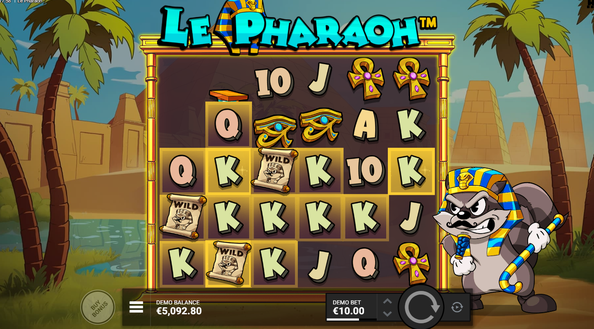
demo image 1
Le Pharaoh

Top casinos for playing Le Pharaoh — current list

ALF Casino
ALF Casino
Mafia Casino
Mafia Casino
LeoVegas
LeoVegas
Le Pharaoh Betway
SG Casino
Le Pharaoh Betano
Retro Bet
Le Pharaoh

What to check before the first session

If you plan to play in the evening, imagine that something suddenly distracts you: a notification, a phone call, a background conversation. Usually, the hand clicks faster, and the head "cuts off" the analysis. It's worth preparing yourself to stick to the plan even when distracted.

Start with three questions: how much time do you want to spend, what budget do you allocate for entertainment, and when do you stop regardless of the outcome. This is not moralizing – it's a practice that helps not to confuse fun with impulse. A simple rule works well: one game block has its time and money limit, and a break is mandatory, even if it's "going well".

The second thing is the environment. On a computer, close distractions, because long breaks between rounds can provoke random decisions. On a phone, ensure a stable connection and a comfortable grip – it sounds trivial, but in practice, it reduces the number of incorrect touches. If you're playing on the go, it's better to shorten the session and play slower to maintain control.

Finally – responsible gaming settings. In 2026, this is standard: time limits, deposit limits, breaks, and the ability to temporarily block access. It's best to set them when you are calm, not when you are already in the middle of a session and trying to "play to the end". It's like a seatbelt – it doesn't bother you until you need it.

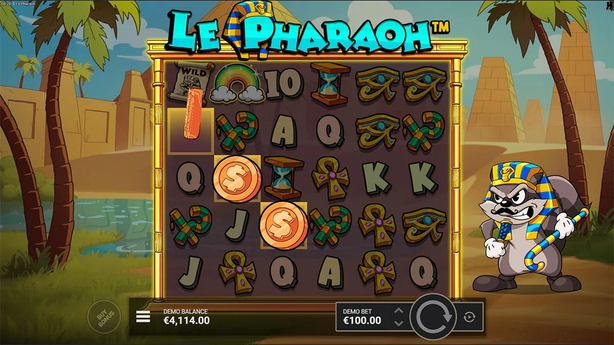
demo image 2
Le Pharaoh

Game and Account Settings Step by Step

Imagine a situation: you start playing, and after a few rounds, you want to change the stake or pace, but you don't remember where it was. Usually, players then click "blindly" and only after a while see that they changed something wrong. This can be avoided if you go through the settings calmly, step by step.

First, focus on the game interface. The trial version is ideal because you can pause, go to the menu, and return without pressure. Check if you can see the stake at a glance, how the quick rounds button works, and if autoplay (if available) has a limit on the number of rounds. Then look at the function description – not to memorize everything, but to understand what the game considers a special event and how it communicates it.

Next, go to account settings. Practical things matter here: login security, activity history, session limits, responsible gaming tools. It's also good to set up activity notifications immediately if available, as this helps to quickly notice unwanted logins or unusual account events.

Stake, Pace, and Screen Readability

Imagine playing on a small screen and one button is so close to another that it's easy to make a mistake. Usually, at such a moment, one gets nervous and speeds up – and that's an easy way to lose control. Therefore, the first few minutes should be dedicated to comfort, not the outcome.

Set the stake so that it fits the session plan, not the mood. If you plan a short entertainment, the stake should allow you to complete the planned number of rounds without the pressure that "it will end soon". Adjust the pace to the situation: quick rounds are convenient, but can lead to automatic clicking; a slower pace gives a moment to decide and is better for learning the mechanics.

Readability also includes details: contrast, text size, how wins are presented. If you don't immediately see what happened, frustration grows, and the temptation to "keep clicking" increases. The training version is for perfecting these things without emotions.

Autoplay and Break Control

Imagine starting automatic rounds "just for a moment", and then you realize that time has flown by because there was no natural stopping point. Usually, it's autoplay that transitions the game from a conscious to a mechanical mode. You can turn it into a tool, not a trap, by setting hard limits.

If the game allows setting the number of rounds in autoplay, always use it. Choose a short block, then a break. During the break, check two things: are you still playing according to the plan, and is there a desire to "make up for it"? An additional timer outside the game also works well, as an external reminder is less susceptible to emotions.

Controlling breaks is also a method for decision-making hygiene. When you take a break, you don't have to prove anything to yourself. You simply reset your attention and return only when the decision is calm, not impulsive. This is especially important for adults who want to treat the game as entertainment, not a source of tension.

Training Plan in Trial Version

Imagine you want to learn a game in ten minutes, instead of "learning along the way" for an hour. Usually, players do this chaotically and then feel like they still don't understand the details. A simple plan saves time: first 20-30 rounds at a calm pace, then a short break and a look at the function description, and finally another short block at a different pace.

In each block, choose one goal. Sometimes you test changing stakes, sometimes you check messages and animations, sometimes you look at how the game displays win information. This way, you know what you've mastered and what still requires attention. And importantly – you finish training when the plan is complete, not when "something else could be clicked".

Signals That a Session Needs to Be Stopped

Imagine you catch yourself clicking faster and stop reading what the screen shows. Usually, this is the moment when decisions start becoming automatic. Then the best move is not "one more round," but a break.

Warning signals are simple: irritation, haste, the desire to change the stake immediately, the thought "I'll win it back." If you feel this, put the device away for a few minutes, and only return when you can say out loud what the plan is for the next block. In 2026, responsible gaming tools are there to support such decisions – use limits and timeouts when you see emotions rising.

Le Pharaoh

Payments, Verification, and Security in Poland

Imagine you want to withdraw funds after a successful session, and suddenly it turns out that data confirmation is missing. Usually, the frustration is greater then, because the emotions are fresh. It's better to sort out the basics beforehand – calmly, before any pressure arises.

Start with order in your profile. Data should be consistent and up-to-date, as this facilitates financial operations and contact with support. It's also worth enabling additional login security if available, and checking your account activity history. This is an element of hygiene, especially when using mobile devices.

Payment issues always depend on the method, but the rule is constant: stick to one main option, don't mix many solutions at once, and don't make multiple attempts "because maybe it will work." The platform is available in Poland and operates within the relevant rules for adults, and part of this maturity is a calm approach to deposits and withdrawals – without haste, without improvisation.

Area

Keep one main method, without mixing

Profile verification

Up-to-date documents and data

Can be staged, depending on the account

Fill everything in advance, not after the fact

Security

Password, confirmations, login history

Runs in the background if enabled

Enable account activity notifications

Registration and Profile Settings

Trzymaj jedną główną metodę, bez mieszania

Weryfikacja profilu

Aktualność dokumentów i danych

Bywa etapowa, zależna od konta

Uzupełnij wszystko zawczasu, nie po fakcie

Bezpieczeństwo

Hasło, potwierdzenia, historia logowań

Działa w tle, jeśli jest włączone

Włącz powiadomienia o aktywności konta

Rejestracja I Ustawienia Profilu

Imagine you create an account in a hurry, and then wonder why something is wrong: a typo in your name, an outdated phone number, no contact confirmation. Usually, these little things come out at the worst moment. It's better to go through registration like a checklist.

After creating your profile, immediately go to settings and check: login security, activity history, time and budget limits, and responsible gaming tools. If you tend to have longer sessions, set a shorter time limit. If you sometimes play impulsively, set a deposit limit. This doesn't limit the fun – it protects your comfort.

Finally, make sure you know where to find help and how quickly you can describe a problem. It's good to have a simple path in mind: “profile - history - support”. When something happens, you're not searching in a panic.

Deposits: Methods, Limits & Order

Imagine you want to top up your balance, but the payment method suddenly asks for additional confirmation. This is usually due to bank settings or security measures, not a "glitch". That's why it's worth checking transaction limits beforehand and ensuring you have the required confirmations enabled.

It's best to stick to one method as your primary one. Mixing several deposit methods complicates the transaction history and makes later settlements difficult, and above all, it introduces chaos into your mind. Deposit only amounts intended for entertainment, and before starting a session, set a framework: time and maximum budget. When you have a framework, you don't have to make financial decisions during emotional moments.

If something is unclear, stop and check the messages. In practice, the biggest problems arise from haste. Calmly acting step by step usually saves the most nerves.

Withdrawals & Typical Player Mistakes

Imagine you want to withdraw funds and start taking "shortcuts": you change the method, make multiple requests because "the first one is taking too long". This usually only worsens the situation, as it's difficult to assess later what is current. The best strategy is a single request and patiently checking the status in the history.

The most common mistakes are repetitive: inconsistent data in the profile, attempting to withdraw to a method not assigned to the player, and acting on impulse. Good practice is simple: organize your data, stick to one method, and if an additional confirmation is requested – treat it as a standard security step.

If you feel frustration, take a break. Withdrawals are a topic best handled with a cool head. Gaming should be entertainment for adults, not a source of tension, so there's no point in adding stress.
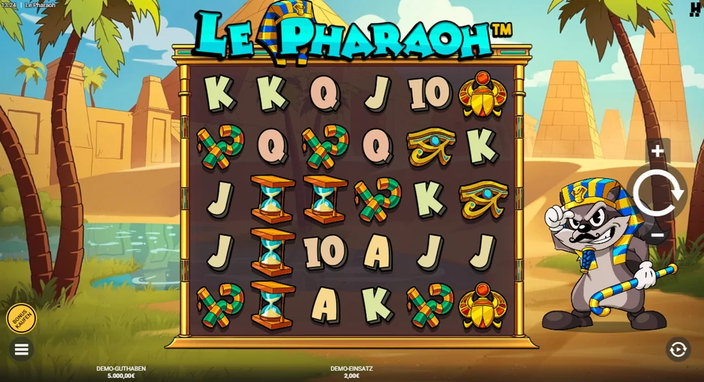
demo image 3

Le Pharaoh Casino Bonus Codes Activation Process

Le Pharaoh Casino Bonus Codes Conditions

Session Strategy & Responsible Gaming

Imagine that after a few rounds, adrenaline kicks in and the thought "this is my moment". Usually, the plan disappears, and decisions become impulses. A session strategy has one task: to maintain control when emotions rise, so that entertainment doesn't turn into a chase.

The basis is blocking time and budget. One game block has its limit, after which you take a break regardless of the outcome. During the break, return to simple questions: are you still playing for fun, or are you trying to "make up for losses"? Are you sticking to the plan, or reacting to individual events? This control sounds strict, but in practice it gives freedom – because you know you don't have to "prove" anything.

In 2026, more and more players treat responsible gaming tools as standard, not a last resort. Limits, time reminders, timeouts, self-exclusion – all of this works best when you set it up in advance. And importantly: you don't have to wait for a problem to arise. You can do it right away, just like buckling up before you drive off.

Session Budget & Simple Round Math

Imagine you want to play for a quarter of an hour, but after just a few minutes you feel the pressure because the budget is melting faster than you expected. This is usually the result of a poorly chosen stake for the planned number of rounds. It's worth doing simple math before starting, instead of hoping "it'll somehow work out".

Set the number of rounds per block and adjust the stake so that the budget lasts even when the streak is weaker. This isn't pessimism – it's planning entertainment without nerves. Then stick to that stake until the end of the block. It's best to leave changes during the session for the next block after a break, when the decision can be made calmly.

If you want even more control, set a spending limit. This way, even in moments of excitement, you won't exceed the limit you've deemed safe for your entertainment.

When to Change the Stake and When Not to Touch the Settings

Imagine that after a series of empty rounds, the temptation arises: "I'll increase the stake, otherwise it makes no sense." This is usually an impulse driven by tension, not by a plan. And it's precisely the impulse that is the most costly, because it leads to decisions you later regret.

A sensible change in stake comes from the session plan. For example: you've set two blocks with different settings – the first calm, the second more dynamic – and you stick to it regardless of the outcome. It's pointless to increase the stake "because it has to turn around now." The game doesn't reward haste, and your head needs calm for decisions to be reasonable.

A good habit: if you want to change the stake, take a break, put the device away, come back after a few minutes, and only then make the decision. This small pause is often enough to cut off the impulse.

Control Tools: Limits, Timeout, Self-Exclusion

Imagine you feel tired, but you keep clicking because "it's a shame to stop now." This is usually the moment when control tools are most needed, and at the same time hardest to use if they weren't set up beforehand. That's why you should set them in advance.

Time limits help to close a session within a framework. Deposit limits protect the budget. Timeout is good when you feel emotions rising and need a "hard" break, without negotiating with yourself. Self-exclusion is an option for situations where you want to block access for a longer period and only return when you have full control. These are tools for adult individuals who want to treat gaming as entertainment, not risk.

In practice, a simple rule applies: if you have to wonder if a break is needed, then a break is needed. Settings are meant to make this easier for you.

Mobile in 2026: Comfort, Notifications, and Hygiene

Imagine playing on the go, the screen shakes, and you accidentally touch the wrong spot. This is usually not "bad luck" but ergonomics. In 2026, mobile gaming is the norm, so it's worth paying attention to the comfort and safety of your clicks.

Play in shorter blocks and at a slower pace if you're on the go. Enable time notifications or set a timer outside the game. Also, take care of your account hygiene: don't save passwords on shared devices, enable additional login confirmations, check your activity history. These things aren't "technical details" – they genuinely affect the calmness of your session.

If you feel you're losing control while playing on mobile, move the entertainment to a calmer moment. This is the simplest decision, which often saves your budget and mood.

Help and Troubleshooting Without the Chaos

Imagine a game running slowly or a message appearing that you don't understand, and you instinctively click 'Next'. This usually just adds stress. It's better to stop and follow a simple procedure: check the connection, refresh, and only return when everything is running smoothly.

In case of problems with your account or financial transactions, do not make many attempts at once. One attempt, then check the activity history and status, and if it's still unclear - contact support with a specific description. A step-by-step description works best: what you did, what you saw, and approximately what time. Such details usually speed up the solution.

Also remember your own peace of mind. If a problem occurs during a session and you feel irritated, take a break. Gaming is meant to be entertainment for adults, so there's no point in escalating emotions over technical details.

How to Write to Support to Get a Quick Response

Imagine writing 'it doesn't work' and waiting, and then receiving follow-up questions and the whole thing drags on. Usually, it's a matter of too general a description. It's better to provide specifics right away, then the conversation is shorter and calmer.

In your message, describe: what you tried to do, at what stage the problem occurred, what message you saw (if any), and whether you tried to refresh or log in again. Also add information about whether you are playing on a phone or computer, as this changes the typical causes of the problem. Such a description is practical - it helps support understand the situation faster, and allows you to avoid frustration.

If the matter concerns a withdrawal or verification, stick to one instruction and do not change several things at once. Calmness and order in actions usually solve most problems faster than haste.

Frequently Asked Questions

How to Start Without Nerves and Without Clicking Blindly?

It's best to start with a short training session with one goal: find the settings, check the pace, and see how the game displays win information. Imagine you only have a few minutes and want to 'see everything' - this usually ends in chaos and no conclusions. Do two short blocks of rounds separated by a break, and after each block, answer yourself whether you are still acting according to the plan. If you feel rushed, slow down the pace and end the block earlier.

How to Set Time Limits So the Session Doesn't Drag On?

The easiest way is to set the frame even before starting: a specific time for playing and a mandatory break after a block of rounds. Imagine you hit a better moment and 'it's a shame to stop' - then the limit is like a brake that doesn't allow a marathon. An external timer also works well, as an outside reminder is less susceptible to emotions. If you still want to play after the break, return only when the decision is calm and not impulsive.

What to Do When Tempted to Increase the Bet After Several Lost Rounds?

This is a typical impulse because the head wants to quickly close the topic and 'make up for it'. Imagine you increase the bet just because you are annoyed - such a decision usually has nothing to do with the session plan. The safest thing is to keep the bet constant in one block, and make any changes only after a break, when emotions have subsided. If you want to experiment, set a separate budget and time just for testing, so as not to mix it with normal entertainment.

How to Avoid Chaos with Deposits and Withdrawals?

Most chaos arises from mixing methods and making multiple attempts at once. Imagine sending multiple orders because "the first one takes a long time" – then it's hard to assess what's current, and stress increases. Stick to one main method, ensure consistent data in your profile, and proceed step by step: one operation, check history, only then the next move. If something is unclear, it's better to stop and ask support specifically rather than improvise.

How to recognize when emotions start taking control?

The signs are simple: you speed up for no reason, stop reading messages, irritation appears, or the thought "one more round and then it's over." Imagine starting to negotiate with yourself – that's usually a sign the plan has stopped working. Then the best move is a break: put the device away, do a reset, and return only when you can clearly state what the goal of the next block is. Responsible gaming tools help precisely in such moments, if they were set up beforehand.

Is it possible to play on the phone and still maintain control over decisions?

It's possible, but requires rhythm and caution. Imagine playing on the go and accidentally touching the wrong spot – on a small screen, that's a real risk. A slower pace, shorter blocks, more frequent breaks, and settings that limit automatic actions help. If you feel you're losing attention on mobile, it's better to stop and return at a calmer moment rather than pushing through.

What to do when the game runs slowly or errors occur?

First, stop the session and check the basics: connection, device load, any browser or application updates. Imagine trying to "click through" delays – it usually ends in frustration and hasty decisions. It's better to refresh, return only when the operation is stable, and not perform multiple operations at once. If the problem concerns your account or financial transactions, check your activity history and describe the situation to support specifically – that's the fastest way to a solution.

🇬🇧 English